
In an age of hurried itineraries and photo-driven checklists, slow travel is a quiet rebellion. It asks us to stay longer, move gentler, and trade highlights for human moments. Instead of conquering destinations, we let them seep in; through routine, conversation, and the rhythm of everyday life. Few places reward this approach as generously as Greece.
What Slow Travel Really Means
Slow travel isn’t about doing less; it’s about being more present. It’s the pleasure of returning to the same café each morning until the barista learns your order, or choosing a single region and learning its seasons, dialects, and flavors. Time stretches. Curiosity deepens. Travel stops feeling like a sprint and starts to resemble living.
Greece’s Natural Pace
Greece has long moved to a tempo of its own. Meals linger. Afternoons pause. Even the language carries an unhurried musicality. This cultural cadence invites travelers to slow down without trying. Sit beneath a plane tree in a village square, and hours pass almost unnoticed. Watch fishermen mend nets at the harbor, and the day unfolds without agenda.
Landscapes Made for Lingering
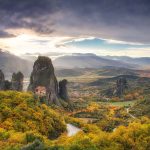
From mountains stitched with stone paths to islands shaped by wind and light, Greece offers places that reveal themselves gradually. The magic isn’t in ticking off sights; it’s in repetition—walking the same coastal trail at different hours, swimming from the same rock each afternoon, noticing how the sea changes color.
Some regions are especially suited to this kind of immersion:
- Crete — Big enough to lose a week (or a month) wandering between mountain villages, olive groves, and quiet southern beaches.
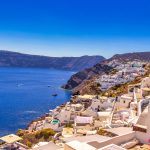
- Cyclades — Beyond the famous names lie smaller islands where life follows the wind and ferry schedules.
- Peloponnese — A slow traveler’s dream of ancient paths, working farms, and coastal towns untouched by rush.
The Benefits of Slow Travel
Embracing slow travel brings rewards that extend far beyond rest and relaxation.
Deeper cultural immersion
Time is the greatest luxury slow travel offers. Staying longer allows insight into local life, traditions, and customs that fleeting visits rarely uncover. Conversations grow more meaningful, invitations more genuine, and routines more familiar. It’s often in these unplanned exchanges over coffee, at a village festival during an evening walk, that Greece feels most alive.
Environmental sustainability
Slow travel naturally treads more lightly. Fewer flights, greater reliance on local transport, and a preference for family-run accommodations and tavernas help reduce environmental impact. Supporting small businesses keeps money within local communities, contributing to a more sustainable form of tourism that preserves the character of Greece’s towns and islands.
A more personally fulfilling experience
Perhaps the most lasting benefit is internal. Slow travel allows space to reflect, absorb, and truly appreciate both the destination and the journey itself. Without the pressure to move on, experiences settle deeper and remain longer. What you take home isn’t just photographs, but a sense of connection and the quiet satisfaction of having truly been somewhere.
Food as a Daily Ritual
In Greece, eating is not an interruption, it’s the structure of the day. Slow travel means shopping where locals do, learning what’s in season, and accepting spontaneous invitations. A simple lunch can turn into a two-hour conversation, punctuated by shared plates and local wine. Recipes aren’t rushed; neither are stories.
Connection Over Consumption
Perhaps Greece’s greatest gift to slow travelers is its openness. Locals are quick to chat, recommend a hidden beach, or explain why this bakery is better than the one down the street. Staying put long enough transforms you from visitor to familiar face, and that shift changes everything.
Traveling Greece, Slowly
To travel Greece slowly is to happily accept that you won’t see it all and to realize that you don’t need to. One island, one village, one neighborhood can hold enough texture for a lifetime of memory. In Greece, slowness isn’t a trend. It’s tradition.



Nice article!
Ikaria island! And the living is easy! 🙂